Quilts * Art * Social Practice
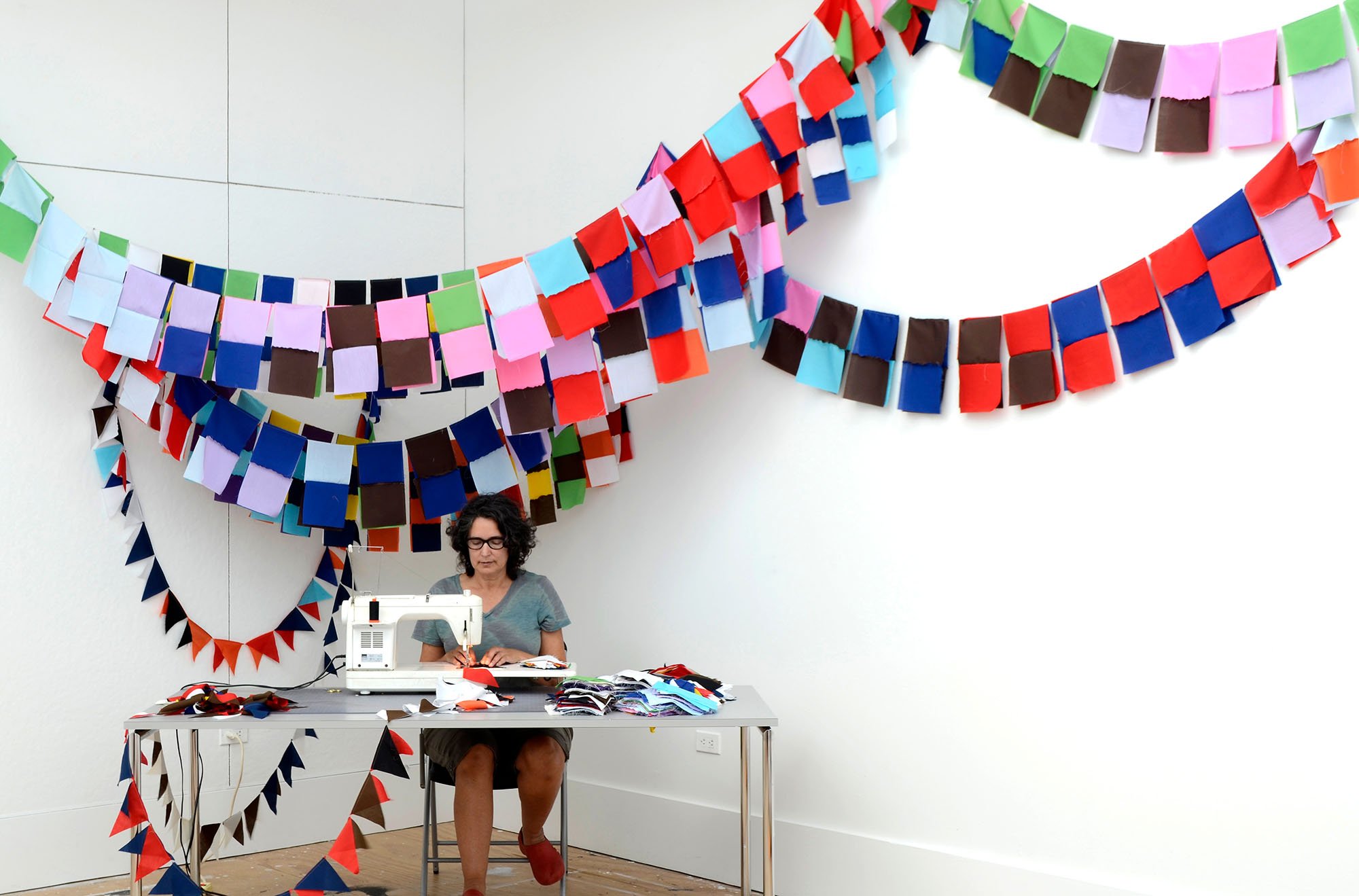
Ever since improv quilting author and artist Sherri Lynn Wood unwittingly defied the sexist dress code at Wiley Junior High School with a modest sundress of her creation, she experienced sewing as a source of creative expression, subversive resistance, and personal empowerment.
Quilts * Art
Social Practice
Ever since improv quilting author and artist Sherri Lynn Wood unwittingly defied the sexist dress code at Wiley Junior High School with a modest sundress of her creation, she experienced sewing as a source of creative expression, subversive resistance, and personal empowerment.
Awaken your creativity with improv quilting
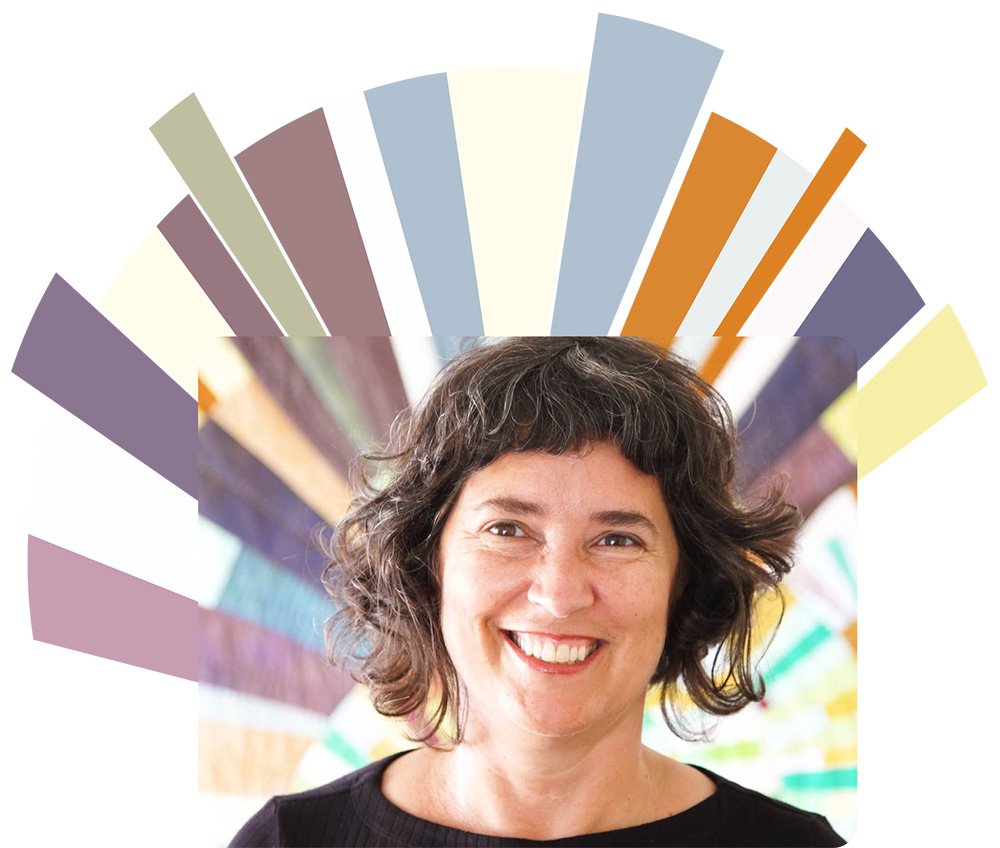
“I’m Sherri Lynn Wood, the author of The Improv Handbook For Modern Quilters. I have been teaching an improvisational approach to quilting as a creative life practice for 30 years.
Change your mind and your life with the liberating art of improv quilting. Learn how to make a quilt YOUR way. No matter your experience, you have the FREEDOM to begin where you are and continue to grow. Come learn with me!”

Improv That Block: Flying GEESE
LIVE ON ZOOM
JUN 8, 3-6 PM Cincinnati (Eastern)
JUN 8, 8-11 PM London
JUN 9, 7-10 AM New Zealand
A fun, contemplative flow-sewing, exploration of the Flying Geese quilt block!

Piece Flow Joy Makers retreat
Aug 30 - Sep 6, 2025
Jurançon, Pau, SW France
Join me for a restorative week of abstract piecing at the beautiful Atelier Clos Mirabel in the French Pyrénées, designed to get you out of your head and into your hands and heart. Nurture a receptive approach to improv quilting where you become the conduit through which creativity and patterns flow and are expressed. Learn how to harness your rhythm of attention into shape, color and pattern to tell the unfolding story of being you.
I am thrilled to be able to offer this once in a lifetime creative experience!

Flower Power Bias-Strip Curves
July 14-20, 2024
Aurora, NY / In-Person Retreat
Learn a variety of grid-busting tricks for improvising and piecing large-scale, nature inspired compositions with the innovative ruler-free technique of bias-strip piecing on the curve.

Improv Quilting From The Heart

Quilt Art Shop
Abstract art, conceptual craft, and modern quilts for sale. Buy the art that you love!

Modern improv quilting blog
Modern improv quilting tutorials, sew-alongs & inspiration to help you improvise a quilt.

The Improv Handbook For Modern Quilters
A Guide to Creating, Quilting & Living Courageously. Learn some of my Improv piecing techniques.

2024 FOUND COLOR Improv Quilting Livestream Workshops
~ in patchwork as in life~
is about finding our true colors, joy and agency in the face of systems in need of repair
Click on an image to REGISTER for an individual FOUND COLOR workshop.
Recordings are available for replay through AUGUST 31, 2024. If you missed it live you can still sign up for the REPLAY.
Learn more about the FOUND COLOR Quilting Workshops on my blog.


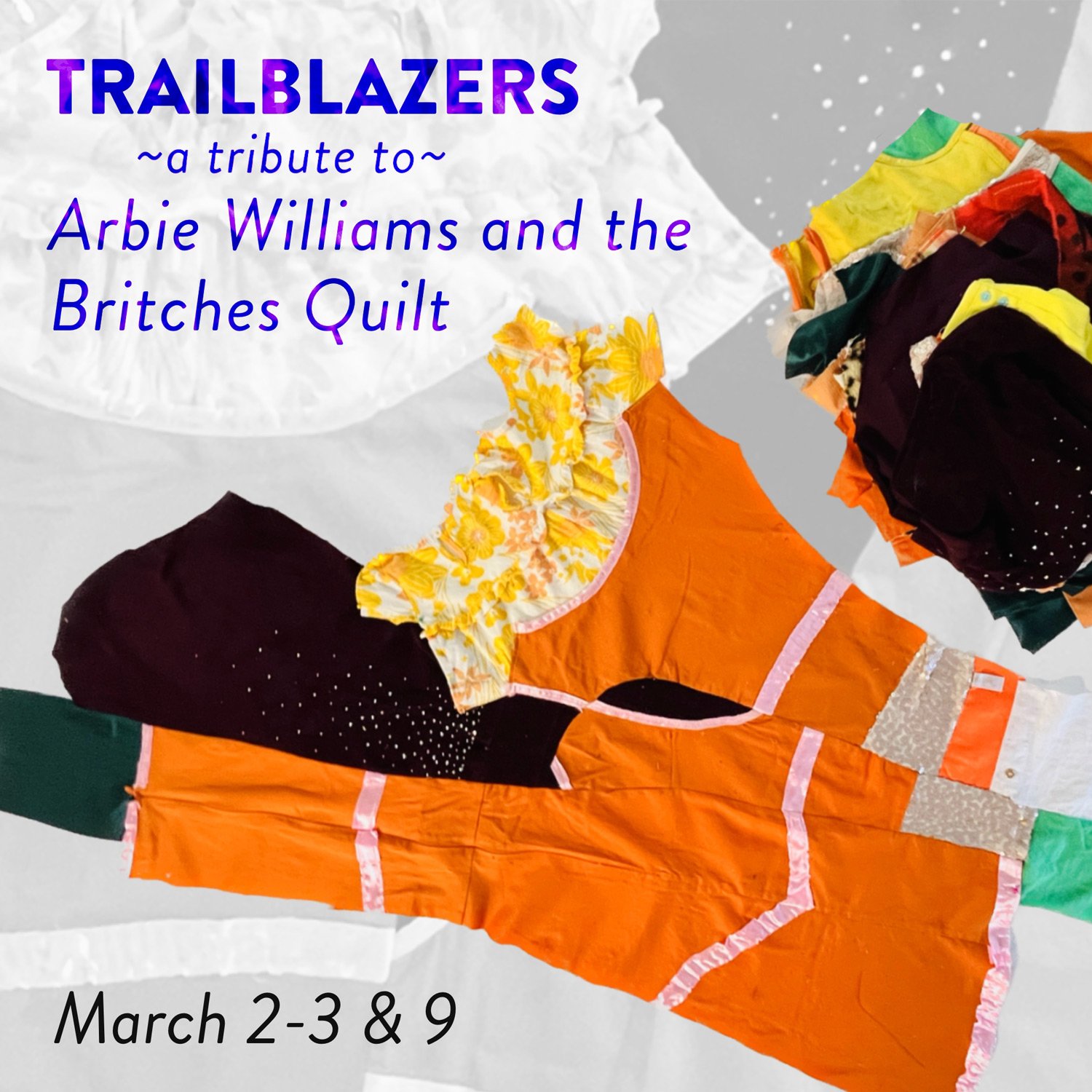
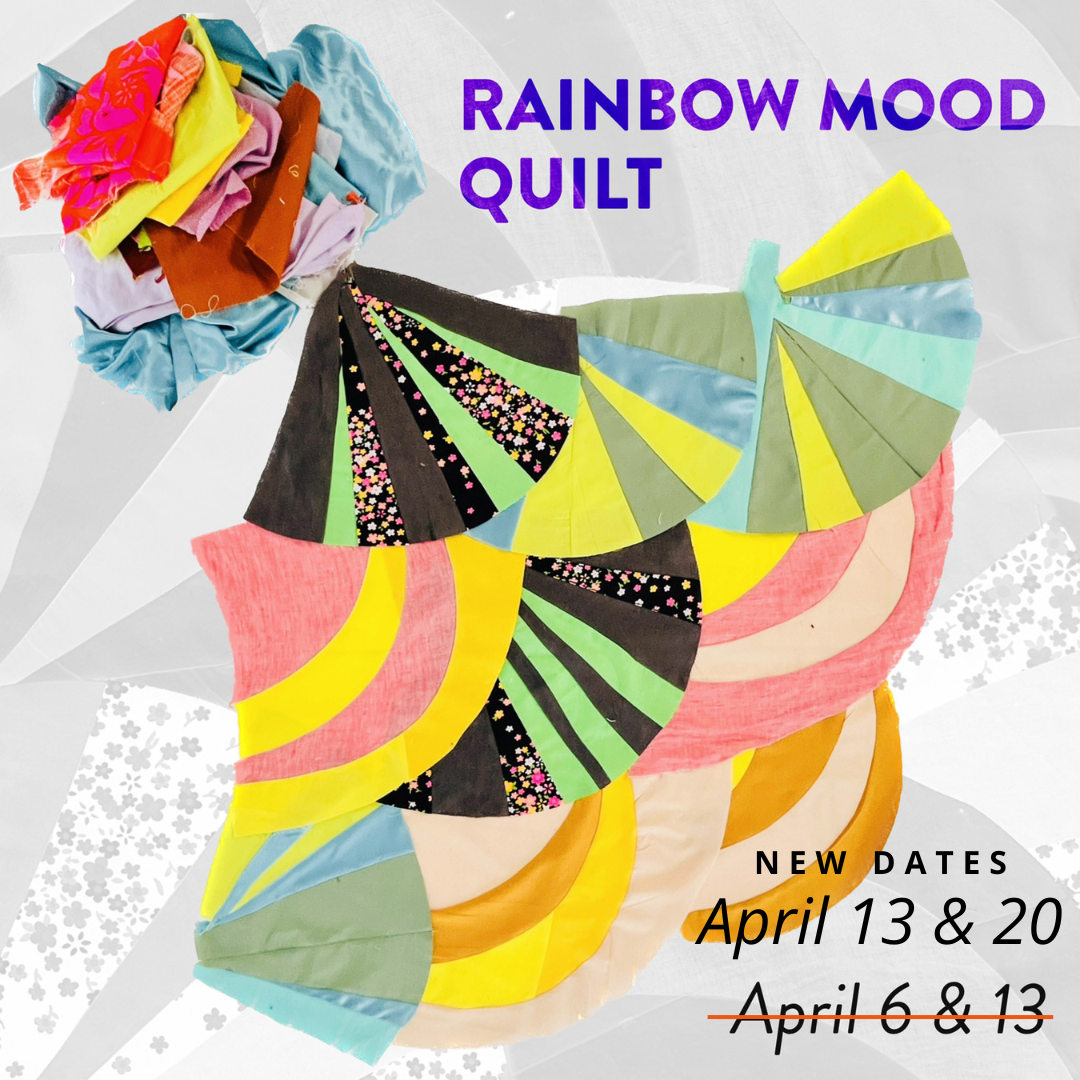
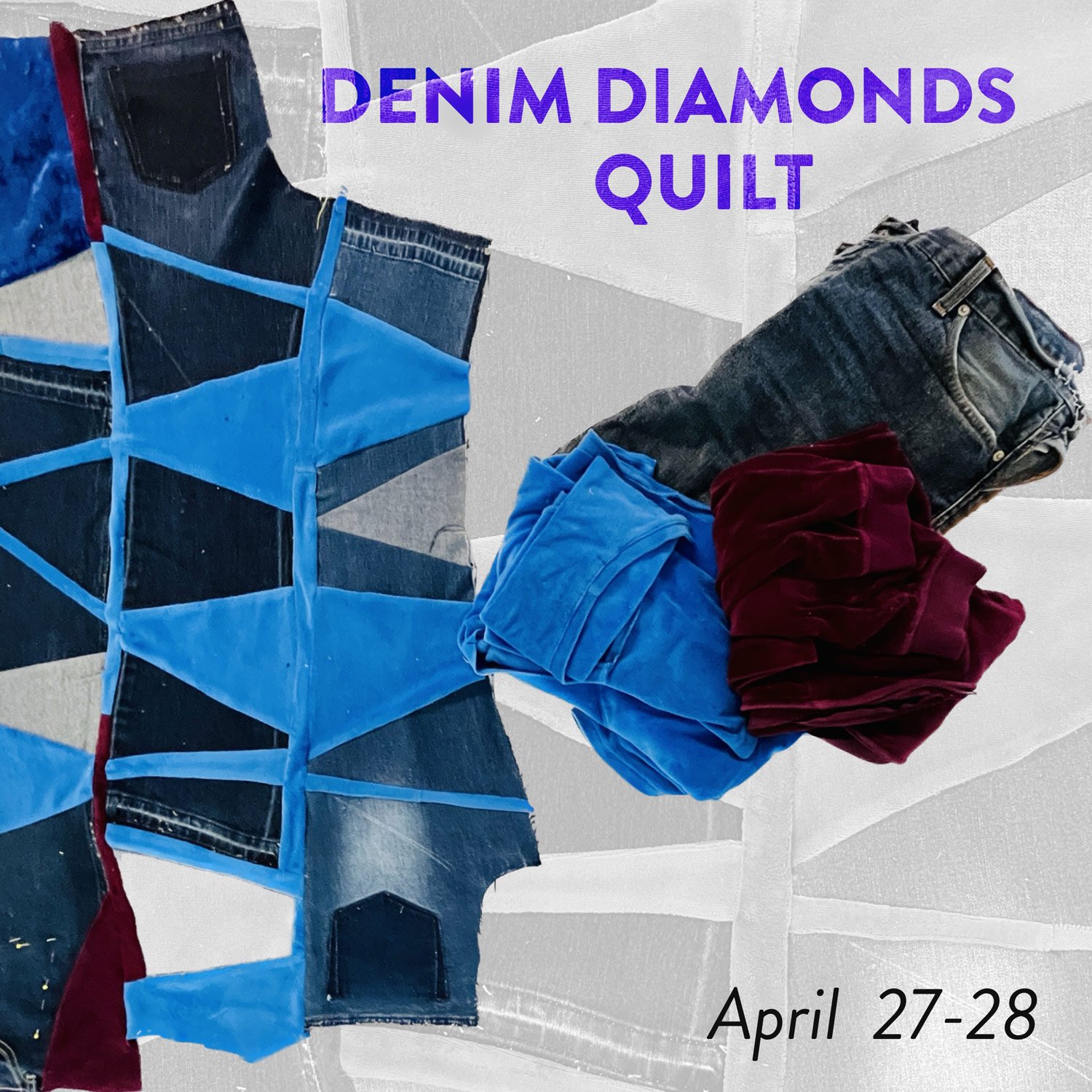
Individual Workshop Registration is OPEN!
-

SEPT 17, 2022 – OCT 9, 2022
Get Rhythm Fall 2022 Mini-Series
LIVESTREAM IMPROV QUILTING CLASS
11am–3pm ESTEquity Pricing
-

SEPT 17, 2022 – SEPT 18, 2022
Rhythmic Grid Field of Jeans
LIVESTREAM IMPROV QUILTING CLASS
11am–3pm ESTEquity Pricing
-

OCT 8, 2022 – OCT 9, 2022
Building Rhythmic Structures
LIVESTREAM IMPROV QUILTING CLASS
11am–3pm ESTEquity Pricing
Workshop Series coming soon!
Lorem ipsum dolor sit amet, consectetur adipiscing elit. Cras sem ante, lobortis et velit sed, ultricies congue est. Lorem ipsum dolor sit amet, consectetur adipiscing elit. Cras sem ante, lobortis et velit sed, ultricies congue est.
What people are saying…
-
![]()
“It’s always pure delight to take a workshop with Sherri. Her joy is contagious and her teaching style promotes finding your own joy, voice and peace. I feel a lot more confident in my improv after being in Sherri’s presence.”
Candi Lennox
-
![]()
“In Sherri’s improv classes I developed the confidence to play with color, lines, and shapes which has spread to all my sewing projects. Sherri’s improv approach has encouraged me to recaptured a childlike joy and pleasure in the process of sewing! No mistakes! No right or wrong!”
Connie Wood
-
![]()
"Sherri’s workshops are engaging and support the direction of my quilting practice. Every workshop that I have taken with Sherri I have been able to apply the knowledge to the work that I am doing as a quilter. Sherri’s wealth of knowledge and down to earth approach to teaching creates the perfect atmosphere for me to grow in and I appreciate that."
Kianga Jinaki
-
![]()
“I was looking for a workshop series that could evolve my art quilting into something more professional and that is exactly what I got from both Sherri and her excellent guests. I’ve incorporated her approaches in my continuing work with much success. Time to sew and get feedback in the workshop itself was also important to me.”
Margaret Grottenthaler
-
![]()
"Sherri's workshops have taught me to expect the unexpected, to let go of my preconceived goals and open myself to whatever happens. This may sound fluffy, but it really is a journey of selfexploration as much as a creative process. My initial urge to control, perfect and power on towards a pre-defined goal is quickly derailed by Sherri's workshops prompt me to explore new routes, dare detours and unknown alleys. Always arriving at something totally new, but still totally me."
Karolina Lidin
-
![]()
“Sherri's workshops are the best I've taken online. They are well organized, technically as perfect as online workshops can be, and then there is the content. The workshops are about creative courage. They work for the rank beginner (me) and people who have been quilting for years. These workshops are not just about craft. There are short but inspirational talks by guest quilters, small group breakouts that allow a participants to interact with other quilters, and real time techniques and prompts. And an online followup. It has been an extraordinary experience and a major part of my creative life.”
Susan King
-
![]()
"Zoom opened the doors and of all the wonderful people who came into my life Sherri Lynn Wood has had the greatest impact. Sherri Lynn is the rare kind of teacher who changes and heals you by opening you up. During the workshop series I have gained confidence in my own process through listening to my own creative voice. I have learned I can use fabric to tell a story."
Helen Roth
-
![]()
"My participation in the Sherri's workshops allowed me to develop my creativity when I had reached a plateau in my quilter work. Sherri is a benevolent leader who helps me overcome my fears in creation and brings up new questions: what surprises me in my discoveries, what is the element that drives me forward, etc."
Brigitte Gagnon
-
![]()
"Sherri's improv quilting workshops are life-changing! I "tried" improv quilting while still engaged in painting, drawing and print-making and have never looked back. Improv quilting is my only art and my lifeline to creative, intuitive play. I've learned how to make quilts (I'd never made a more traditional pieced quilt before trying improv) and after much seeking found a medium that nourishes my soul in the making."
Mary Harman
-
![]()
“Sherri's teaching style exemplifies a phrase we heard from Mary Margaret Pettway: DO YOU! Sherri didn't try to get me to do anything "her way," but rather provided practices and suggestions that opened up lots of possibilities for what I might try. Sherri is warm, welcoming, lively, knowledgable, and encouraging. I find he kind and inspiring to quilt with and learn from."
Jeanette Stokes
-
![]()
"I have technical mastery of a broad range of quilting skills, but what I have learned the most from Sherri's workshops is how to tap into my heart when I make a quilt. The joy of being connected to my flow is something I have only felt with a few quilts until I started the workshops with Sherri. Now I want that feeling, pursue that feeling with each quilt that I make. Sherri has a very positive and affirming teaching style. The use of "yes, and..." has made me so aware of how often as quilters, as artists, as humans, we second guess ourselves and our ability to pursue our joy. I look at every quilt I make or that someone else makes with a completely different outlook now, a chance to find joy in the making."
Victoria Nelson
-
![]()
"I don't know if I can ever use a pattern or template again after taking Sherri's improv workshops. Months later, I am still processing what I learned. I'm always thinking of ways to use my new skills and tap into creative reserves I didn't know I had. The guest speakers were awe-inspiring. I can't say enough about the wisdom they shared and their unique approaches to quilting. Sherri's own patience and positive approach give me confidence to deal with things I once considered mistakes. Her centering techniques and intention-setting go way beyond quilting. They are guideposts for living. I highly recommend Sherri's workshops for a mind-opening experience."
Lori Hashizume
-
![]()
"I usually tell people that everything I know about quilting I learned from Sherri. For almost 20 years now I have looked to Sherri for inspiration and instruction--not just in improv patchwork and quilting, but in creating and maintaining a sustainable artistic practice and life. What Sherri teaches goes way beyond the workshop, extends out from the quilt into the everyday life of a maker, showing us the kind of paths we might improvise for our own lives. Sherri is generous, playful, nurturing, innovative, warm, embracing, and profoundly wise. It would be impossible to overstate the influence Sherri and her transformative teaching have had on me, as a quilter, and as a human. I am grateful to her beyond all words."
Thisbe Nissen
-
![]()
"The first time I took a workshop from Sherri, I came away changed. I had no idea that making a quilt could be so effortless and fun!"
Sarah Atlee




Creative Community Mentoring
Our community is built on a heart-centered approach that recognizes improvisational quilt making as a profound creative life practice.
We get your improv quilts and value the unique vision and voice that you bring. We welcome you into this space as both mentee and mentor. Our commitment to community mentoring and creative connections is the soul and value of BravePatch membership.
Celebrating Differences, Crafting Connections